
What Is the Difference Between PRP and Stem Cell Therapy?
The difference between PRP and stem cell therapy comes down to what is used in each treatment and how the therapy is intended to support the body’s natural healing processes. Platelet-rich plasma (PRP) therapy uses a concentrated portion of a patient’s own blood that contains a higher level of platelets and growth factors. Stem cell therapy involves the use of specialized cells that may have regenerative properties, although the term “stem cell therapy” is used broadly and may refer to different types of treatments with varying levels of research and regulation.
Both approaches are often discussed as regenerative medicine options for musculoskeletal conditions, including joint pain, tendon injuries, and certain sources of spine-related discomfort. However, they are not the same treatment and may be recommended for different situations.
How Does PRP Therapy Work?
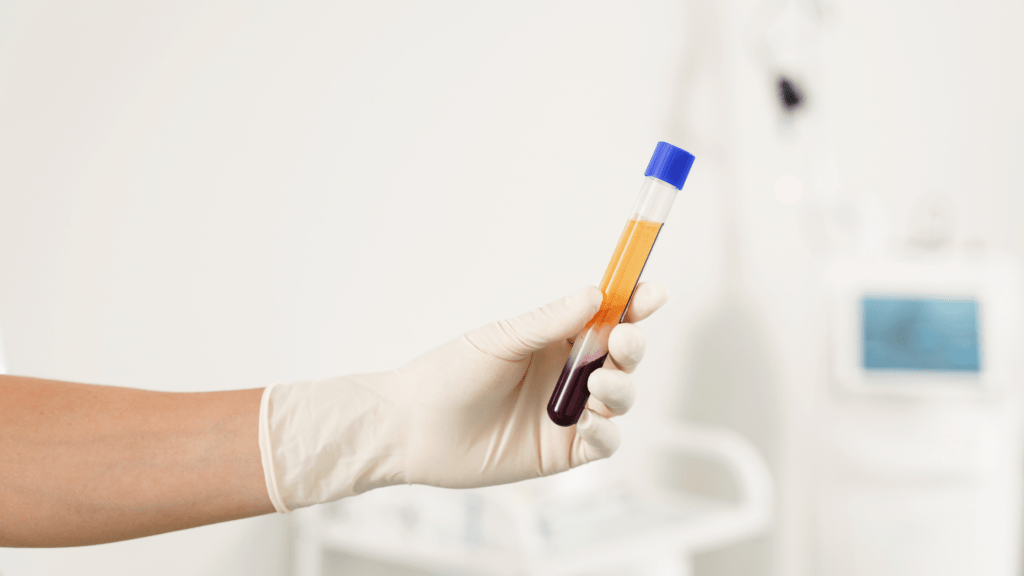
PRP therapy works by concentrating platelets from a patient’s own blood and injecting them into an area that may benefit from additional healing support. Platelets play an important role in the body’s repair process because they contain proteins and growth factors involved in tissue recovery.
During a PRP procedure, a small blood sample is collected and processed to separate the platelet-rich portion from other blood components. The concentrated PRP is then injected into the targeted area, often using imaging guidance to improve accuracy.
PRP therapy is commonly explored for conditions such as tendon injuries, osteoarthritis-related joint pain, ligament injuries, and certain soft tissue problems. The goal of PRP is to support the body’s natural repair response rather than simply masking symptoms.
What Is Stem Cell Therapy and How Does It Differ From PRP?
Stem cell therapy differs from PRP because it focuses on the use of cells with the potential to develop into or support different types of tissue. The term may describe several types of treatments, including therapies involving cells collected from a person’s own body or other approved sources.
Unlike PRP, which primarily delivers concentrated platelets and growth factors, stem cell-based approaches aim to introduce cells that may influence the body’s repair environment. Research into these therapies continues to evolve, and results can vary depending on the type of cells used, the condition being treated, and the specific treatment method.
Patients considering regenerative medicine should understand that not all treatments marketed under the term “stem cell therapy” are the same. A qualified medical provider can help explain what options are supported by current evidence for a specific condition.
Is PRP More Effective Than Stem Cell Therapy?
Whether PRP is more effective than stem cell therapy depends on the patient’s condition, the location of the injury, the severity of symptoms, and the treatment goals. There is no single regenerative treatment that works best for every patient.
PRP has been studied for several orthopedic and sports medicine applications, including certain tendon and joint conditions. Stem cell-based treatments continue to be researched for potential applications in musculoskeletal care, but effectiveness may vary widely based on the specific approach used.
A comprehensive evaluation is important because factors such as age, activity level, overall health, and the source of pain can influence which treatment approach may be appropriate.
What Conditions Can PRP Treat?
PRP therapy may be considered for several conditions involving damaged or irritated tissues. Common areas where PRP is used or researched include knee arthritis, tendon injuries, shoulder pain, ligament issues, and some chronic soft tissue injuries.
For patients experiencing joint pain or sports-related injuries, PRP may provide an option designed to support healing while using components derived from their own blood. The treatment is often considered when traditional conservative approaches have not provided enough relief or when patients are exploring alternatives to more invasive procedures.
The suitability of PRP depends on an individual diagnosis and should be determined through a medical evaluation.
What Conditions Are Stem Cell Treatments Used For?
Stem cell-based treatments are being studied for a range of orthopedic and regenerative medicine applications. These may include joint conditions, cartilage-related concerns, and certain types of tissue damage.
However, stem cell therapy is not a single standardized procedure. Different approaches may involve different cell types, preparation methods, and treatment protocols. Because of this, patients should ask detailed questions about what type of therapy is being offered and what evidence supports its use for their specific condition.
Are PRP and Stem Cell Therapy Minimally Invasive Treatments?
Both PRP and stem cell-based treatments are generally considered minimally invasive compared with many surgical procedures. These treatments typically involve injections rather than large incisions or extended surgical recovery.
Recovery experiences can vary depending on the treated area and individual patient factors. Some patients may experience temporary soreness or discomfort after an injection as the body responds to treatment.
A provider can explain expected recovery timelines and whether additional therapies, such as physical therapy or activity modification, may support results.
How Do Patients Choose Between PRP and Stem Cell Therapy?
Choosing between PRP and stem cell therapy requires understanding the diagnosis, treatment goals, and available evidence. Patients should consider factors such as the source of pain, severity of tissue damage, previous treatments, and overall health.
A medical provider specializing in pain management, orthopedics, or regenerative medicine can help determine whether PRP, another regenerative approach, or a different treatment option may be appropriate.
What Should Patients Know Before Considering Regenerative Medicine?
Patients researching PRP vs. stem cell therapy should look beyond marketing claims and focus on personalized medical guidance. Regenerative medicine continues to develop, and treatment recommendations should be based on a thorough evaluation and realistic expectations.
PRP and stem cell therapy are different approaches that share a common goal: supporting the body’s natural ability to repair and recover. Understanding the differences between these treatments can help patients make more informed decisions about managing joint pain, injuries, and chronic musculoskeletal conditions.
This article is intended for educational purposes only and is not a substitute for medical advice, diagnosis, or treatment from a qualified healthcare professional.